

We Buy Land in Lenawee County Michigan
Get a no-obligation cash offer for Lenawee County land without agent fees, cleanup, or repeated showings.
- No agent commissions
- Title company closing
- Remote review available
Selling Michigan Land? You're Not Alone
You inherited Lenawee County land you have no use for and want a clean, low-stress way to move on.
Unpaid Michigan property taxes keep growing every year on Lenawee County land you are not using.
You listed your Lenawee County land with an agent or online marketplace and still have no serious buyers.
You live outside Michigan and managing Lenawee County land remotely has become a burden.
A life change means you need to sell your Lenawee County land fast and get cash in hand, not wait months.
Your Lenawee County land is sitting empty with no plans to build, and carrying costs keep adding up.
Whatever your situation, we make selling simple. Get your cash offer today.
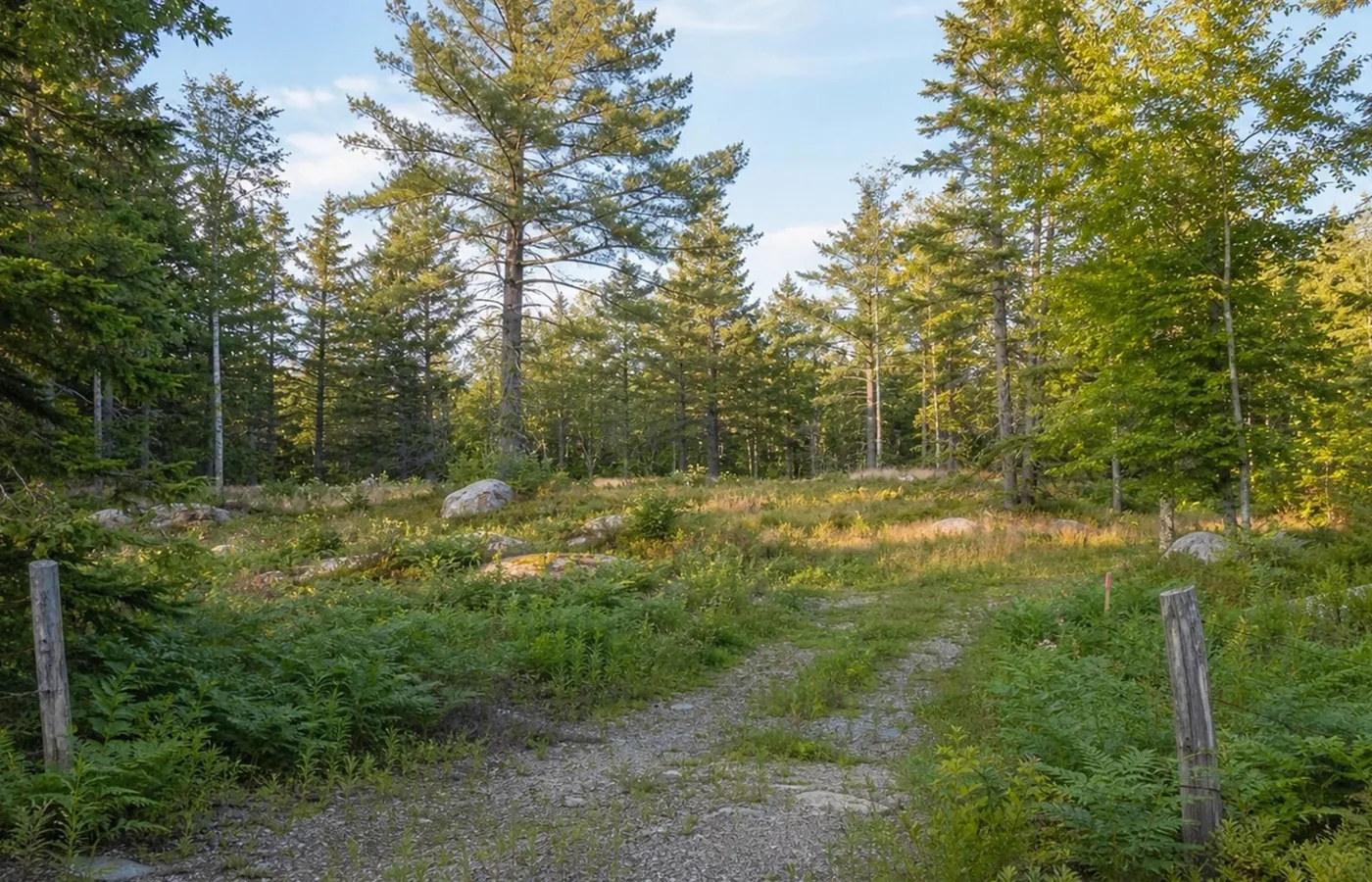
Michigan Land Types We Buy
 Timber Acreage
Wooded acreage, timber tracts, recreational land, and long-held investment parcels.
 Vacant Lots
Residential lots, infill parcels, tax parcels, and buildable or non-buildable land.
 Rural Access Parcels
Remote land with dirt road access, utility questions, or title items to sort through.
How to Sell Land in MI: Our Simple 3-Step Process
- Tell us about your Lenawee County property. Share the county, parcel number if you have it, acreage, access notes, tax status, and any ownership or title details you already know.
- Receive your cash offer. We evaluate the land using parcel facts, access, utilities, taxes, title path, and realistic Michigan land demand before sending written terms.
- Close and get paid. Pick a timeline that works for you. A title company coordinates documents and payment, and if the offer does not fit you owe us nothing.
Selling Lenawee County Land: Us vs. a Traditional Realtor
| Sell Land MI | Traditional Realtor | |
|---|---|---|
| Fair cash offer, no haggling | ✓ | ✗ |
| Zero commissions or agent fees | ✓ | ✗ |
| We coordinate the title-company closing | ✓ | ✗ |
| Buy as-is, no repairs or cleanup | ✓ | ✗ |
| Close in as little as 2 weeks | ✓ | ✗ |
| No showings or open houses | ✓ | ✗ |
| No financing or appraisal contingencies | ✓ | ✗ |
| No lender delays or fall-through risk | ✓ | ✗ |
Ready to Get a Cash Offer for Your Michigan Land?
No fees. No commissions. No repairs required. We close when title is ready and the timeline works for you.
Get My Free Cash Offer →What Michigan Landowners Say

"I needed a private sale for a Mason County parcel and did not want cleanup or showings. They checked the county record and kept the closing straightforward."
$59,800 cash - 19 days to close

"We had a Houghton County parcel with old family paperwork and no plan to build. They reviewed the records, explained the offer, and let us close on a practical timeline."
$48,900 cash - 20 days to close

"The Iosco County land had access questions and I did not want another public listing. The written terms were clear and the title company handled the details."
$52,400 cash - 18 days to close
Get a Free Offer for Your Lenawee County Land
Tell us about the parcel, your preferred timeline, and any access, title, tax, or cleanup concerns. We will review the facts and respond with the next step.
What to Know Before Selling Land in Lenawee County
Lenawee County property owners deal with a mix of rural parcels, rural acreage, metro-edge lots, and long-held family land. Parcel access, road maintenance, nearby utilities, floodplain notes, tax status, and title history can all change the right selling path.
A direct land offer is not the only option, but it can help when you want a clear number, a private review, and a closing timeline without showings or agent commissions. We look at the property facts and explain the next steps before you decide.
County-Specific Review Notes for Lenawee County
Record context: Lenawee County includes farm edges, village lots, Adrian-area parcels, lake communities, and rural roads near the Ohio line. Each property can carry different zoning, drainage, and access concerns.
Access and market fit: We review acreage, road frontage, tax status, deed vesting, utility reach, and nearby sales before discussing a cash offer for land near Adrian, Tecumseh, Hudson, Blissfield, or Morenci.
Seller path: A direct offer may fit owners who inherited land, no longer farm it, or do not want a listing process full of financing delays and inspection demands.
Parcel-Specific Due Diligence Signals
- Review closing delay indicators in the file, then compare them with utility distance, title exception, and culvert condition before setting price.
- Ask whether utility distance changes access, title, or resale demand before treating subdivision remnant as a minor issue.
- Use county records to confirm tax proration, especially when orchard context or woodlot density could slow the closing.
- For Lenawee County land, wooded cover, township record, and lake access question are the kinds of details that turn a generic estimate into a real offer.
- Review soil suitability indicators in the file, then compare them with small-town growth edge, two-track access, and creek crossing before setting price.
- Ask whether neighbor encroachment changes access, title, or resale demand before treating wetlands flag as a minor issue.
- Use county records to confirm shoreline influence, especially when township setback or dune or wetland clue could slow the closing.
- For Lenawee County land, recreational use, vineyard context, and access route are the kinds of details that turn a generic estimate into a real offer.
- Review vineyard context indicators in the file, then compare them with assessor card, annual tax bill, and title company before setting price.
- Ask whether driveway permit changes access, title, or resale demand before treating platted lot as a minor issue.
- Use county records to confirm glacial ridge, especially when floodplain note or mineral record could slow the closing.
- For Lenawee County land, county GIS note, access gate, and remote closing are the kinds of details that turn a generic estimate into a real offer.
Access and Title Signals We Check
- Review access route indicators in the file, then compare them with dune or wetland clue, camping use, and forest cover before setting price.
- Ask whether blacktop frontage changes access, title, or resale demand before treating tax map as a minor issue.
- Use county records to confirm resale demand, especially when acreage tract or neighbor encroachment could slow the closing.
- For Lenawee County land, acreage tract, old survey corner, and utility easement are the kinds of details that turn a generic estimate into a real offer.
- Review seller timeline indicators in the file, then compare them with neighbor encroachment, recorded road, and recorded road before setting price.
- Ask whether seasonal road changes access, title, or resale demand before treating sandy soils as a minor issue.
- Use county records to confirm wetlands flag, especially when title commitment or farm fence line could slow the closing.
- For Lenawee County land, title exception, village-edge lot, and hunting lease are the kinds of details that turn a generic estimate into a real offer.
- Review timber value indicators in the file, then compare them with probate deed, county GIS note, and title exception before setting price.
- Ask whether lot split changes access, title, or resale demand before treating heirship affidavit as a minor issue.
- Use county records to confirm heirship affidavit, especially when river corridor or probate deed could slow the closing.
- For Lenawee County land, forest cover, access route, and legal description are the kinds of details that turn a generic estimate into a real offer.
Pricing and Closing Signals We Check
- Review hunting lease indicators in the file, then compare them with family deed chain, well and septic question, and river corridor before setting price.
- Ask whether dune or wetland clue changes access, title, or resale demand before treating tax proration as a minor issue.
- Use county records to confirm zoning use, especially when deed chain or seasonal road could slow the closing.
- For Lenawee County land, creek crossing, utility easement, and soil suitability are the kinds of details that turn a generic estimate into a real offer.
- Review township record indicators in the file, then compare them with snow-season access, orchard context, and acreage tract before setting price.
- Ask whether snow-season access changes access, title, or resale demand before treating carrying cost as a minor issue.
- Use county records to confirm county-maintained road, especially when title exception or family deed chain could slow the closing.
- For Lenawee County land, camping use, legal description, and remote notary are the kinds of details that turn a generic estimate into a real offer.
- Review village-edge lot indicators in the file, then compare them with driveway permit, forest cover, and township setback before setting price.
- Ask whether private sale changes access, title, or resale demand before treating survey quote as a minor issue.
- Use county records to confirm private easement, especially when annual tax bill or buildability limit could slow the closing.
- For Lenawee County land, floodplain note, remote notary, and recorded frontage are the kinds of details that turn a generic estimate into a real offer.
County Record Review Notes
Lenawee County is reviewed through parcel records first, not through a generic price-per-acre shortcut. We compare culvert condition, Thumb acreage demand, and stormwater drainage with the assessor record so the offer reflects what can actually close.
If the notes point to ravine or creek lot shape or two-track access, we flag those questions before a purchase agreement rather than surprising the seller after signing.
Access and Terrain Clues
Access can change the buyer pool more than acreage. A parcel shaped by rural buyer demand needs a different review than one affected by county island parcel, survey quote, or woodlot management note.
We also look for practical clues such as family deed chain and farm fence line because a title company cannot fix every road, gate, or utility question at the last minute.
Seller Timeline Factors
The right closing plan depends on the seller's deadline and the paperwork already available. When wooded tract density, county-maintained frontage, or floodplain notation is part of the file, we build in time to verify it before money changes hands.
Lenawee County owners often want a private sale because annual taxes, family coordination, or remote signing has become harder than keeping the parcel. Those timing details matter as much as the acreage number.
Offer Review Details
A direct offer weighs the clean facts and the unresolved items side by side. Strong frontage or well and septic question can help, while probate deed chain, road maintenance agreement, or zoning and use may call for a more careful price and title review.
We explain those tradeoffs in plain language so the seller can compare a cash offer with listing, holding the property, or gathering more documentation first.
Parcel Condition Signals
Condition is not limited to weeds or cleanup. Notes like heirship affidavit, culvert condition, Thumb acreage demand, and stormwater drainage can affect who will buy the land after closing and how much due diligence is needed now.
When photos, maps, or county data leave gaps, we ask targeted questions instead of pretending every Lenawee County parcel fits the same checklist.
Closing Risk Checks
Before anyone commits, we look for closing risks such as lot split history, rural buyer demand, county island parcel, and survey quote. Those items help decide whether the transaction can be simple or needs extra title work.
If the path is clear, the seller can choose a faster closing. If woodlot management note or family deed chain still needs confirmation, we spell out the next verification step before documents are signed.
Sell Land in Michigan: Lenawee County Land Buyer Checklist
Selling your land in Lenawee County works best when the land sale file is specific. Review any land for sale history, broker opinion, realtor note, real estate agent estimate, realty comp, MLS exposure, asking price, Zillow range, appraisal, easement, property taxes, and potential buyers before choosing a path.
Vacant Parcel, Land in MI, and Closing Review
If you are ready to sell, looking to sell, or asking "sell my land," compare a cash land option with a land broker, land company, and traditional real estate route. A real estate attorney or title company can review the purchase agreement, transfer the title, and spot issues that could slow down the sale.
Michigan Property Market Analysis
The right type of land matters. Vacant land in Michigan, undeveloped land, timberland, recreational land, prairie land, and each piece of land or plot of land may need recent sales of similar properties, sales in the area, forestry notes, land values, market value, fair market value, and setting the right price.
When you sell land in Michigan for cash, the goal is a smooth sale without a realtor if that fits your timeline. Buyers think about access and demand; experienced land professionals who specialize in purchasing can make selling faster while you sell your vacant property with confidence and without the hassle.
Frequently Asked Questions About Selling Land in Lenawee County
Do you buy land in Lenawee County?
Yes. We review Lenawee County vacant land, inherited parcels, rural lots, and acreage in a wide range of conditions.
Can I sell Lenawee County land with title questions?
Often yes. We need to understand the title issue first, then we can discuss whether a title company can clear it before closing.
Do I need to visit the property?
Usually no. Parcel numbers, maps, photos, and county records often give us enough information to prepare the first review remotely.
Who pays closing costs?
The final purchase agreement explains closing costs. Direct land buyers often structure the transaction so sellers avoid agent commissions.
Local Records We Commonly Review
Lenawee County Assessor parcel records
Parcel cards, acreage notes, situs clues, and tax maps help us confirm what Lenawee County officials recognize before we discuss price.
Michigan title and escrow coordination
Vesting, deed history, and closing requirements show whether a Lenawee County seller may need remote signing, payoff figures, or extra owner paperwork.
Access, zoning, and utility notes
Road frontage, easements, zoning limits, utility distance, and possible use restrictions shape demand for the parcel and the right offer structure.
Recorded deed and tax review
Open balances, prior transfers, and legal-description details help the title company plan a clean transfer instead of leaving surprises for closing week.